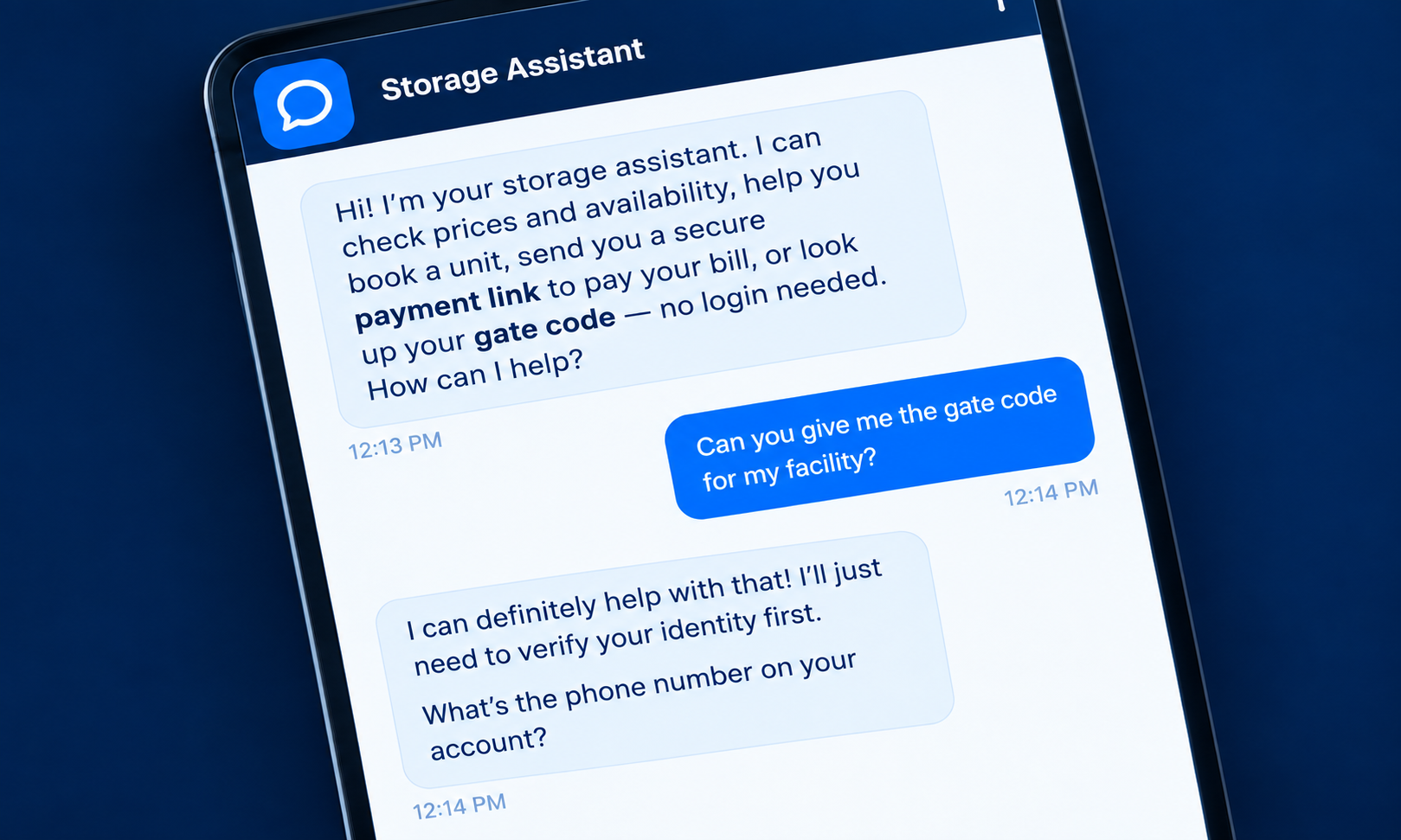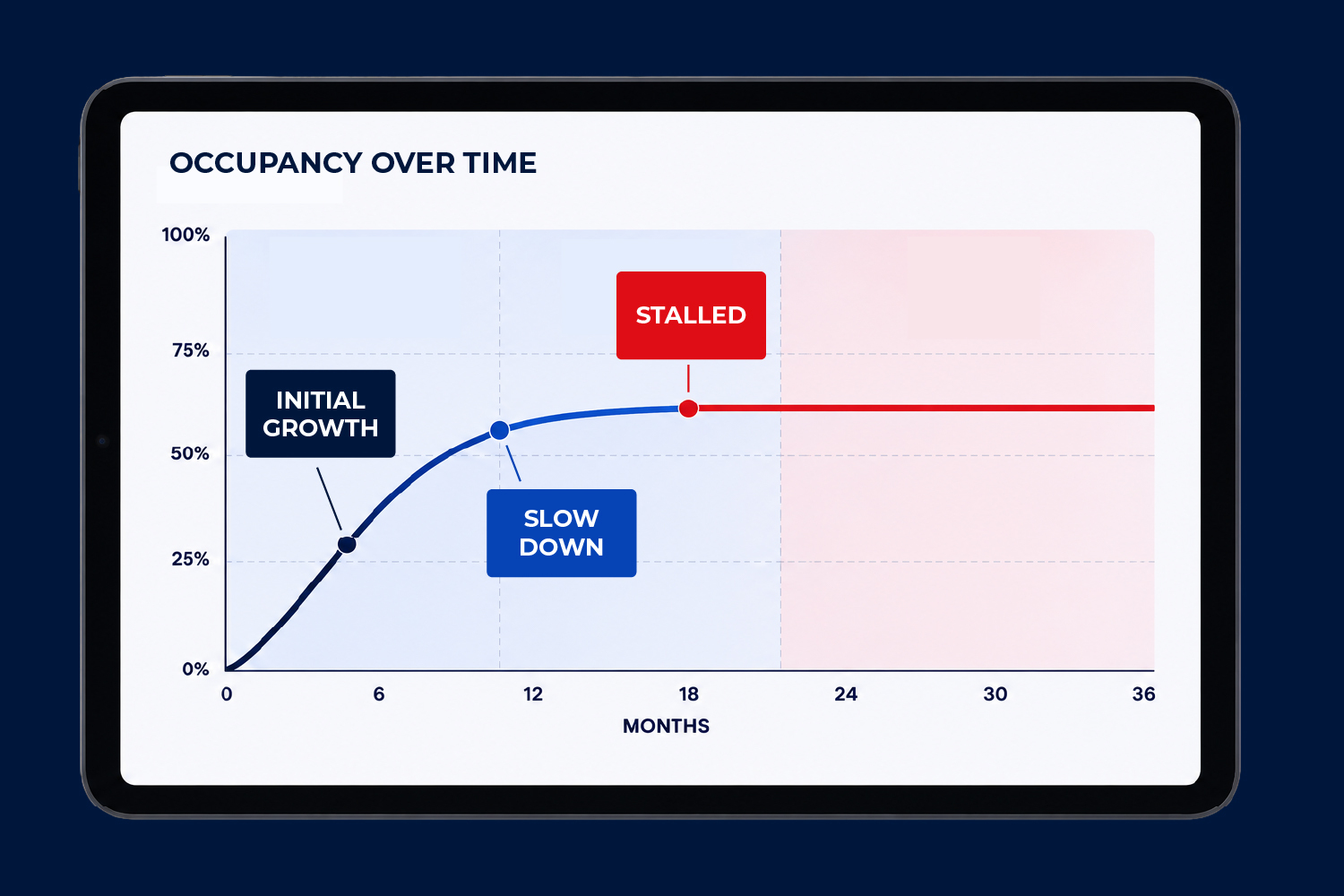

The definition of facility management is changing. Gone are the days when paper leases and a full-time physical presence were the only requirements for success. Today, technology allows owners to operate effectively from anywhere, making self storage remote management one of the most discussed strategies in the industry to maximize profitability while minimizing operational complexities.
For many self-storage owners, the challenge is finding the balance. You want a high-performing facility, but you don't want to be tied down to daily operations.
Maybe you already have on-site staff and are questioning how much of that presence is truly necessary. Maybe you are considering a management company or looking for ways to scale without adding more overhead.
Remote management often enters the conversation as the answer, but the concept itself can feel vague or overly simplified.
This guide breaks down what remote management in self-storage actually means, why owners adopt it, and what needs to be in place for it to work well. The goal is to decide whether remote management makes sense for your operations.

Remote management in self-storage is often misunderstood because it gets lumped in with automation, software, or being completely hands-off. In reality, it is less about eliminating work and more about changing where and how that work happens.
At its core, remote management is an operating model. Certain tasks are handled off-site, supported by technology and standardized processes, while others still require a physical presence at the facility. The balance between those two depends on the owner’s goals, portfolio size, and operational structure.
Because of this, there is no “one-size-fits-all” approach to remote management.
In practice, some remote management models can take different forms, including:
This range of approaches also shapes what owners should and should not expect from remote management.
What remote management does not mean is removing people from the equation entirely. Facilities still need oversight, accountability, and clear ownership of responsibilities.
The difference is that those responsibilities are distributed more intentionally instead of being tied to one person physically at the facility every day.
Most self-storage owners do not start looking at remote management because they want to change everything overnight. The interest usually builds as a few practical pressures begin to stack up over time. Common drivers include:
Many facilities operate with limited on-site hours, which can lead to missed calls, unattended walk-ins, and lost booking opportunities during evenings, weekends, or peak leasing periods. These gaps are often a function of availability rather than performance.
To mitigate this challenge, some owners resort to weekend call centers, but this workaround introduces additional costs and operational complexities.
Managing one facility is doable; managing five is complex. As portfolios grow, ensuring processes are followed correctly at every location becomes a struggle.
Remote management centralizes the "playbook," creating a consistent customer experience across the board.
Under a traditional model, adding a new facility means duplicating everything—hiring, training, and oversight. Remote models offer a more flexible growth path, allowing you to add locations without rebuilding your operations from scratch each time.
Many owners balance self-storage alongside other businesses or investments. Remote management reduces the need for daily, on-site intervention, allowing the business to run smoothly without your constant physical presence.
When too much responsibility sits with a single on-site manager, you create a single point of failure. Performance hinges entirely on that individual’s availability. In the event of their departure, whether due to career changes, retirement, or relocation, the facility's operational efficiency and performance may suffer, potentially leading to financial losses.
Remote management distributes that weight across a team and systems, minimizing the impact of turnover or sick days.
Taken together, these factors move remote management from a passing idea into a practical strategy. For many owners, the appeal centers on stability, consistency, and scalability rather than short-term savings.
Remote management is often sold as a cleaner, more efficient alternative to traditional operations. And in many cases, it is. It offers a way to escape the clutter of traditional operations and run a leaner, more consistent business. But the model hits a wall when it is treated as a total replacement for involvement rather than just a smarter way of structuring it.
Every operating model comes with trade-offs, and this one is no different.
While going remote is fantastic for reducing friction, it fundamentally shifts where responsibility lives and how quickly problems are spotted. If you don't have the right guardrails in place, those shifts can create blind spots.
Whether you are running a hybrid model or outsourcing entirely, the goal is to be proactive. Without that intentional design, even the best systems can run into some common limitations:
Without clear processes, remote setups can feel slow or impersonal. If a tenant has a billing question or a gate issue, a delayed response or a missed follow-up can quickly turn a minor inconvenience into a bad review.
Systems and tools improve efficiency, but they do not replace judgment or accountability. Systems cannot spot a leaking roof or de-escalate an angry customer on their own. When ownership over these tasks is unclear, small issues escalate because everyone assumes "the system" is handling it.
Remote operations still require active monitoring. "Out of sight" can quickly become "out of mind." Leasing activity, response times, and maintenance follow-through need consistent review to prevent standards from slipping over time.
Certain facilities require more on-site involvement, especially from a hybrid approach, due to layout complexity, maintenance needs, or frequent in-person interactions. Remote management may not fully support these environments on its own.
Recognizing these limits does not mean you should avoid remote management. It simply means you need intentional design.
The model works best when owners approach it as a framework that helps determine exactly where human involvement is still necessary to keep the business healthy. With clear expectations and consistent processes in place, you can support a model that scales without ever sacrificing performance.
By this point, one thing should be clear. Remote management succeeds or fails based on how intentionally it is designed. The same model that creates flexibility and efficiency for one owner can introduce friction and risk for another when the structure behind it falls short.
Remote management shifts where work happens, but it does not remove the need for leadership, oversight, or discipline.
Successful remote operations tend to share a few common elements:
There comes a point where running day-to-day operations starts to compete with growth and long-term goals. That tension often leads owners to explore new ways of operating, including remote management.
Remote management gives self-storage owners another way to think about efficiency, scale, and long-term sustainability. When the model aligns with an owner’s goals and operational needs, it can reduce overhead, streamline day-to-day work, and create a more consistent experience for both tenants and teams.
White Label Storage supports owners who want to put that model into practice without sacrificing control or performance. Our approach to self-storage remote management focuses on building stable, repeatable operations that scale as portfolios grow and expectations increase.
As a remote management partner, White Label Storage helps owners by:
Want to see how remote management looks for your facility? Schedule a demo with our team today.